
Live Streaming 101: Your Top FAQs Answered
We will answer some of the most frequently asked questions about live streaming. Whether you are new to the concept or looking to improve your existing live streaming setup, we have got you covered. From understanding the basics of live streaming to choosing the right platform and equipment, we will provide you with all the information you need to start live streaming like a pro. So let’s get started and unlock the exciting world of live streaming!
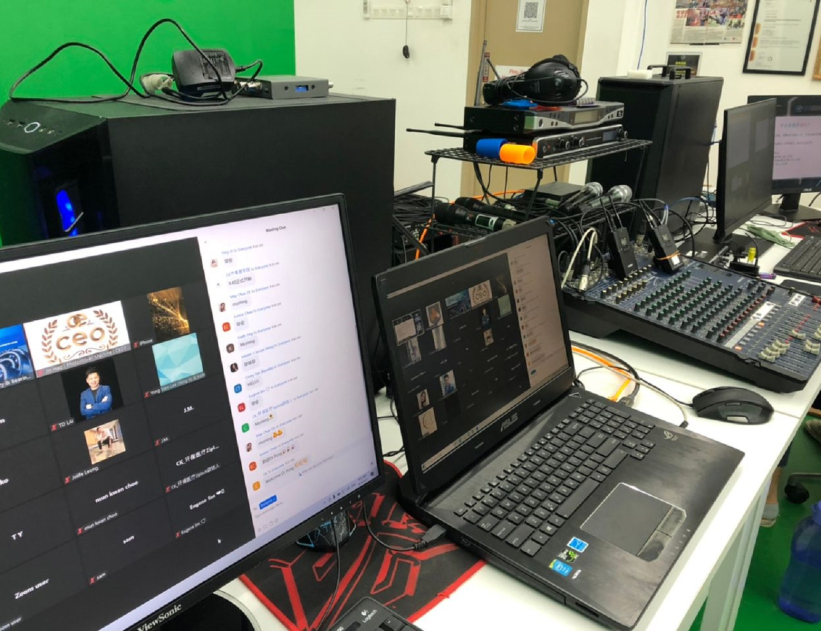
What is live streaming and how does it work?
Live streaming refers to the process of broadcasting real-time content over an internet connection. Unlike traditional methods of accessing media, live streaming allows viewers to watch the content as it is being delivered without having to download it first. This means that viewers can access live streaming content through various devices such as smartphones, tablets, and computers. The way live streaming works is by encoding audio and video signals into a digital format and then transmitting them over the internet. This process enables viewers to watch the content in real-time, creating a more immersive and interactive experience
What is live streaming and how does it work?
Live streaming refers to the process of broadcasting real-time content over an internet connection. Unlike traditional methods of accessing media, live streaming allows viewers to watch the content as it is being delivered without having to download it first. This means that viewers can access live streaming content through various devices such as smartphones, tablets, and computers. The way live streaming works is by encoding audio and video signals into a digital format and then transmitting them over the internet. This process enables viewers to watch the content in real-time, creating a more immersive and interactive experienc
Why is live streaming popular?
Live streaming is a powerful tool that enables content creators to connect with their audience in real-time, fostering a sense of community and engagement. With live streaming, creators can interact with their viewers, answer questions, and receive immediate feedback, creating a more interactive and dynamic viewing experience. This accessibility extends to individuals and businesses alike, as live streaming provides an accessible platform for sharing unique experiences and expertise with a global audience. One of the key advantages of live streaming is its convenience. Viewers can access and watch content from anywhere and at any time, as long as they have an internet connection. This level of convenience allows for flexibility and ensures that viewers won’t miss out on important live events or discussions. Additionally, live streaming offers the opportunity for immediate feedback and comments from viewers. This real-time interaction not only enhances the viewing experience but also allows creators to make adjustments and improvements on the spot. By incorporating live streaming into their content strategy, individuals and businesses can foster deeper connections with their audience while providing valuable and engaging content.
Advantages of live streaming
Live streaming has become an essential tool for businesses, as it enables them to reach a wider audience and potentially increase their brand exposure and customer base. By live streaming their events or product launches, businesses can connect with viewers from all around the world, breaking the barriers of physical limitations. Moreover, live streaming can be a cost-effective marketing tool as it eliminates the need for physical event venues and travel expenses. This allows businesses to allocate their resources more efficiently and invest in other areas of their growth strategy. Additionally, the flexibility of scheduling in live streaming makes it easier to accommodate different time zones and reach a global audience. Businesses can schedule their live streams at a time that works best for their target audience, ensuring maximum participation and engagement. Not only that, but live streaming also provides an opportunity for real-time data analytics and insights. Businesses can measure audience engagement, track the number of viewers, and gather valuable insights that can inform their content strategy and help them tailor their future streams for maximum impact. Live streaming truly serves as a powerful tool for businesses, offering endless possibilities for growth and success.
Impact on various industries
Live streaming has had a profound impact on various industries, including gaming, education, entertainment, and e-commerce. In the gaming industry, live streaming has revolutionized the way gamers showcase their skills and interact with their fans. With platforms like Twitch and YouTube Gaming, gamers can connect with an enthusiastic and dedicated audience, creating a strong fan base and even monetizing their gameplay through donations and sponsorships. Moving on to the education sector, live streaming has transformed the way educational resources and lectures are accessed. Regardless of their geographical location, students can now have access to quality education and gain knowledge from renowned institutions and experts. This accessibility has made learning more inclusive and allows individuals to pursue their educational goals without physical limitations. The entertainment industry has also undergone a significant shift due to live streaming. Traditional methods of consuming live events, such as concerts and sports matches, have evolved with live streaming platforms. Viewers can now experience the excitement of live events from the comfort of their homes, eliminating the need for physical attendance. This has made entertainment more accessible and convenient for a global audience. Lastly, the e-commerce industry has been greatly impacted by live streaming. Businesses can now showcase their products in real-time through live demonstrations and offer interactive shopping experiences. This allows potential customers to have a better understanding of the products before making a purchase, boosting consumer confidence and driving sales. Overall, live streaming has revolutionized these industries, offering new opportunities for growth and engagement.
How does live streaming work?
To live stream, you need a stable internet connection and a device with encoding software. Live streaming involves capturing video and audio in real-time and transmitting it over the internet. This process requires the video and audio data to be encoded and compressed before it is streamed to a server. Once the data is sent to the server, viewers can watch the live stream in real-time using a web browser or a dedicated streaming app. This allows for seamless and instant access to the content, regardless of the viewer’s location. Whether it’s a live event, a webinar, or a product launch, live streaming provides an interactive and engaging experience for both the creators and the audience.
Equipment and software needed for live streaming
When it comes to live streaming, there are a few key components that you will need to ensure a smooth and successful broadcast. First and foremost, you will need a camera or a webcam to capture the video content. This could be a professional camera for high-quality footage or a simple webcam for a more casual setup. In addition to video, a microphone or an audio source is necessary to capture the live audio. Whether it’s a dedicated microphone or the built-in microphone on your device, clear and crisp audio is essential for a great viewer experience. To encode and compress the video and audio, you can use software like OBS (Open Broadcaster Software) or XSplit. These programs allow you to adjust settings, add overlays, and ensure that the stream is optimized for the internet. Lastly, a stable and high-speed internet connection is essential for seamless live streaming. Without a reliable internet connection, your stream may suffer from buffering, lag, or even disconnects. It’s important to have a strong connection to ensure that your audience can enjoy your content without interruptions. So, make sure you have these fundamental components in place to kickstart your live streaming journey.
Streaming protocols and encoding
When it comes to live streaming, there are various protocols and formats that are commonly used to transmit and encode video content. Common streaming protocols include RTMP (Real-Time Messaging Protocol) and HLS (HTTP Live Streaming). These protocols allow for the seamless transmission of video and audio data over the internet, ensuring a smooth streaming experience for viewers. For encoding video, popular formats like H.264 and VP9 are commonly used. These formats ensure that the video is compressed without significant loss of quality, making it suitable for streaming purposes. In addition, streaming services often utilize adaptive bitrate streaming to ensure smooth playback across different internet speeds. This technology adjusts the quality of the video stream in real-time based on the viewer’s internet connection, providing the best possible viewing experience. Encoders play a crucial role in live streaming as they compress the video and audio data using codecs. Codecs, such as AAC (Advanced Audio Codec) for audio and x264 for video, ensure efficient compression while maintaining the quality of the content. By utilizing these protocols, formats, and encoding techniques, live streaming platforms are able to deliver high-quality content to viewers regardless of their internet capabilities.
What are the benefits of live streaming?
Live streaming offers a multitude of benefits that can elevate your content and connect you with a wider audience. One of the greatest advantages is the ability to interact with your viewers in real-time, providing a more engaging experience. Whether it’s answering questions, responding to comments, or hosting live Q&A sessions, this two-way communication fosters a sense of connection and makes your audience feel valued. Additionally, live streaming opens up opportunities to reach a global audience and explore new markets. Gone are the limitations of physical event spaces and travel expenses. With just a stable internet connection, you can share your content with people from all corners of the world. Not only does this expand your reach, but it also opens up potential collaborations and partnerships. Another noteworthy benefit is the cost-effectiveness of live streaming. Traditional methods of reaching an audience often come with hefty price tags, but live streaming eliminates many of these expenses. By harnessing the power of the internet, you can reduce costs and allocate resources towards enhancing the quality of your content. Lastly, live streaming provides you with invaluable insights and feedback from your viewers. From their reactions, comments, and questions, you can gauge their interests, preferences, and areas of improvement. This real-time feedback allows you to continuously refine your content and offerings, ensuring that you are delivering value to your audience. In a world driven by audience engagement and personalization, live streaming is undoubtedly one of the most effective tools at your disposal. So, why not harness its power and take your content to new heights?
Increased audience engagement
Live streaming offers a unique opportunity to connect with your audience in real-time, creating a sense of engagement and interaction that traditional content formats often lack. With features like live chat and Q&A sessions, viewers can actively participate and share their thoughts, questions, and feedback. This not only makes them feel more connected to your content but also increases their retention rates and fosters brand loyalty. To further enhance audience engagement, interactive elements like polls and contests can be incorporated into your live streams, encouraging viewers to actively participate and be a part of the experience. This sense of community and active involvement creates a deeper connection with your audience. Moreover, the live nature of streaming creates a sense of urgency and exclusivity. Viewers know that they are getting a unique, time-sensitive experience that they won’t want to miss out on. Whether it’s unveiling new products, hosting exclusive events, or sharing behind-the-scenes moments, live streaming keeps your audience engaged and excited.
Ability to reach a global audience
Live streaming breaks down geographical barriers, allowing you to connect with viewers from all around the world. By taking your events or content online, you open up new opportunities to tap into global markets and expand your reach beyond your local audience. One of the great advantages of live streaming is the ability to cater to international time zones, making it more convenient for viewers in different regions to tune in. Whether you’re hosting a webinar, a product launch, or a live performance, live streaming ensures that your content is accessible to a global audience at their convenience. Additionally, streaming platforms often offer translation and subtitle options, making it easier to reach non-English speaking audiences. This further enhances the inclusivity and accessibility of your content, allowing you to connect with viewers from diverse backgrounds.
What are the challenges of live streaming?
One challenge that live streaming presents is the management of internet bandwidth and stability. To ensure a smooth viewing experience, a strong and stable internet connection is crucial to prevent buffering and interruptions. Another challenge that content creators may face is dealing with technical issues that can arise during a live stream. This can include audio or video problems that can disrupt the viewer’s experience. It requires prompt troubleshooting to address these issues and minimize any disruptions. Additionally, ensuring a high-quality live stream can be challenging. It involves the use of professional equipment and optimizing settings for the best audio and video output. This requires technical expertise and attention to detail. Lastly, live streaming often requires troubleshooting various issues in real-time. This can include adjusting camera angles, managing audio levels, or addressing viewer questions and comments. Being able to handle these challenges effectively is essential for delivering a seamless and engaging live stream experience.
Internet bandwidth and stability
Live streaming requires a reliable internet connection with sufficient bandwidth to support the upload speed required for streaming without interruptions. It’s important to have a strong and stable connection to ensure a smooth viewing experience for your audience. To maintain stability, it is recommended to use a wired internet connection rather than relying on Wi-Fi, as it can be more prone to interference and fluctuating speeds. Additionally, regulating the number of devices connected to the network while streaming can also help ensure a stable internet connection. This means minimizing the use of other devices that may be consuming bandwidth during your live stream. Another helpful tip is to consider using a content delivery network (CDN) to assist in distributing the streaming load and minimizing bandwidth limitations. This can optimize the delivery of your live stream to viewers and ensure a better overall experience.
Technical issues and troubleshooting
During live streaming, technical issues are bound to occur. These can range from audio or video sync problems to dropped frames or freezing issues that can affect the overall viewing experience. It is crucial for content creators to have a backup plan and alternative streaming platforms in case of any technical difficulties. Regularly updating streaming software and firmware, as well as testing equipment before going live, can also help mitigate potential technical issues. Additionally, being able to quickly troubleshoot and resolve issues during the live stream, such as adjusting settings or restarting equipment, is crucial to maintain a seamless streaming experience for viewers.
How can I monetize live streaming?
Live streaming not only allows you to connect with your audience, but it also offers various opportunities to monetize your content. One way to generate income is by partnering with brands and promoting their products or services during your live streams. This can be done through product placements, shoutouts, or sponsored segments. Another option is to offer sponsored content, where brands pay you to feature their products or mention them during your live streams. Additionally, running ads on your live streams can be a source of revenue as well. By allowing advertisements to be displayed during your streams, you can earn income from the ad placements. Lastly, offering exclusive content or perks to your paid subscribers or members is another way to generate income. By providing value-added benefits, such as access to premium content or special discounts, you can incentivize your viewers to become paying subscribers, thereby increasing your revenue stream.
Advertising and sponsorships
Building a large and engaged audience for your live streams opens up opportunities to attract advertising and sponsorship deals. With a strong following, you can approach brands directly and pitch your live streaming channel as an advertising medium. By showcasing the value of your content and the potential reach of your audience, you can convince brands to partner with you. Another avenue to explore is joining influencer marketing platforms that connect content creators with brands specifically looking for live stream partnerships. These platforms provide a convenient way to connect with brands and negotiate collaborations. Additionally, leveraging social media platforms can be a powerful tool in promoting your live streams and attracting brand collaborations. By effectively utilizing social media platforms, you can showcase your content and engage with your target audience, thereby increasing your chances of securing brand partnerships.
Donations and pay-per-view
When it comes to monetizing your live streams, there are several strategies you can employ to generate income. One option is to encourage your viewers to donate to your live stream through platforms like PayPal or Patreon. By creating a supportive community of viewers who appreciate your content, they may be willing to contribute financially to help sustain your live stream. Another approach is to set up a pay-per-view model, where viewers have to purchase tickets or access passes to watch your live streams. This can be particularly effective for special events or exclusive content that is highly sought after. Additionally, offering merchandise or exclusive content as incentives for viewers to donate during your live streams can also be a successful strategy. By providing unique perks and rewards, you can entice your audience to contribute and feel a sense of value in return. Lastly, consider setting up a virtual tipping jar, where viewers can voluntarily contribute money during your live streams. This creates a platform for gratitude and support, allowing your viewers to show their appreciation for your content. With these various approaches, you can explore different monetization options and find the one that aligns best with your live streaming goals.
What are some popular live streaming platforms?
Live streaming has become increasingly popular in recent years, and there are several platforms that offer this service to content creators. Twitch is a well-known platform that primarily focuses on video games, but it also showcases other types of content such as music and creative arts. With its dedicated and passionate community, Twitch provides a platform for gamers and creators to connect with their audience in real-time. YouTube Live, on the other hand, allows users to stream live videos on their channels, making it a versatile platform for various types of content creators. With its massive user base, YouTube Live offers creators the opportunity to reach a wide audience and engage with their viewers. Facebook Live is another prominent player in the live streaming space. Integrated with the social media platform, Facebook Live enables users to easily share their live streams with their friends and followers. This integration allows creators to leverage their existing Facebook audience and expand their reach through live streaming. Lastly, Instagram Live is a feature within the Instagram app that enables users to stream live videos to their followers. This feature creates interactive and engaging experiences, allowing creators to connect with their audience on a more personal level. Whether you’re a gamer, a vlogger, or an artist, these live streaming platforms offer various avenues for content creators to showcase their talent and engage with their audience.
Twitch
Twitch is widely recognized for its thriving community of gamers, providing a platform for viewers to engage with streamers in real-time through live chat. This interactive aspect sets Twitch apart and allows for a unique and immersive viewing experience. Streamers on Twitch also have the opportunity to earn revenue in various ways, including subscriptions, donations, and advertising. These income streams, along with sponsorships, provide content creators with the means to sustain their channels and produce high-quality content. Additionally, Twitch extends beyond gaming, featuring channels dedicated to creative arts, music, and IRL (in real life) content. This diversity attracts a wide range of viewers and showcases the talents of creators across different niches. Moreover, Twitch offers Twitch Prime, a premium subscription service that grants members exclusive benefits like free in-game loot and ad-free viewing. This service adds value for both streamers and viewers, enhancing the overall streaming experience.
YouTube Live
YouTube Live offers content creators a plethora of monetization options to choose from. For instance, creators can take advantage of features like Super Chats and channel memberships, which allow viewers to make direct financial contributions during live streams. This not only provides a source of revenue but also encourages active audience engagement. With the live chat function, creators can interact with their audience in real-time, fostering a sense of community and making the viewing experience more immersive. Additionally, YouTube Live allows channels to schedule live streams in advance, ensuring that subscribers receive notifications and increasing the visibility of the stream. As an added benefit, the platform provides analytics and insights, allowing creators to monitor and assess the performance of their live streams, enabling them to make data-driven decisions and refine their content strategy.
Facebook Live
Facebook Live is a popular live streaming platform that offers a wide range of benefits to content creators. One of the key advantages is its accessibility to a large user base since it is integrated into the Facebook platform. With millions of active users, Facebook Live provides content creators with an instant audience and the potential for increased visibility. Furthermore, the real-time engagement and interaction features allow viewers to react, comment, and share the live stream, creating a sense of community and fostering deeper connections. Streamers can also take advantage of the option to target specific audiences by broadcasting to private groups or selected friends, increasing privacy and exclusivity. Additionally, Facebook Live videos can be saved and shared later, allowing viewers to catch up on missed live streams at their convenience. This flexibility enhances the viewing experience and ensures that content reaches a wider audience even after the live stream has ended.
How can I promote and grow my live streaming channel?
One way to promote and grow your live streaming channel is by consistently providing high-quality content that engages your audience. This means creating captivating and informative streams that keep your viewers hooked and coming back for more. By delivering valuable content that resonates with your target audience, you can build a loyal following and attract new viewers through positive word-of-mouth. Another effective strategy is to leverage social media platforms to promote your live streams and engage with your viewers. Whether it’s sharing highlights or teasers, hosting giveaways or contests, or actively responding to comments and messages, social media can be a powerful tool for increasing your visibility and connecting with your audience. You can also collaborate with other content creators or streamers in your niche to cross-promote each other’s channels and reach a wider audience. By collaborating, you can tap into each other’s existing fan bases and introduce your streams to new viewers who may be interested in your content. Additionally, networking and building relationships with your audience through interactive features like live chats and Q&A sessions can help foster a loyal community and attract more viewers. Responding to comments, addressing viewer questions, and actively engaging with your audience not only makes them feel valued but also encourages them to return for future streams. By implementing these strategies, you can effectively promote and grow your live streaming channel, reaching more viewers and building a strong community.
Building a strong social media presence
Creating a strong social media presence is crucial for promoting and growing your live streaming channel. One effective strategy is to develop a social media strategy and consistently post engaging content related to your live streams. By sharing teasers, highlights, or behind-the-scenes footage, you can generate excitement and anticipation among your followers. Another way to boost your visibility is by using relevant hashtags and optimizing your social media profiles with keywords. This makes it easier for potential viewers to discover your channel when searching for related content. Building a loyal community requires active engagement with your followers. Responding to comments and messages, running contests or giveaways, and hosting Q&A sessions can help increase social media engagement and attract more viewers to your live streams. Collaborating with influencers or other content creators on social media platforms is another effective strategy. By teaming up with these individuals, you can tap into their established audience and gain more exposure for your live streaming channel. These approaches can significantly promote and grow your live streaming channel, ultimately boosting your viewership and creating a strong community.
Collaborating with other streamers
Partnering with other streamers is a fantastic way to expand your reach and attract new viewers to your live streaming channel. Co-streaming sessions or hosting other streamers as guests on your streams allows you to tap into their audience and vice versa. By collaborating with other content creators, you can cross-promote each other’s channels through shoutouts, guest appearances, or even featuring each other in your streams. This not only helps to boost your visibility but also allows you to gain new followers from their fan base. Another effective strategy is to participate in or organize community events, tournaments, or challenges with other streamers. These collaborative efforts can generate excitement and build a sense of community among your viewers, ultimately attracting more viewers to your live streams. Additionally, joining online communities or groups for streamers provides an opportunity to connect with like-minded individuals and explore potential collaboration opportunities. Actively participating in discussions and engaging with fellow streamers can help you build valuable connections and open doors for future partnerships. By leveraging the power of collaboration and community engagement, you can significantly promote and grow your live streaming channel.
What are some legal considerations for live streaming?
When it comes to live streaming, there are several legal considerations that you need to keep in mind. One important aspect is copyright laws. It is essential to obtain the necessary rights or permissions before streaming any copyrighted material. This means that you should not use someone else’s content without their consent, as it can lead to legal issues. Additionally, you should also ensure compliance with intellectual property laws, especially if you are using trademarks, logos, or copyrighted content in your streams. It is important to be aware of the potential legal implications and take the necessary steps to protect yourself and your channel. Privacy laws are another crucial consideration for live streaming. You need to respect the privacy rights of individuals who may appear in your streams or whose personal information may be shared during the broadcast. Be mindful of collecting any personal data from your viewers or participants and ensure its security and confidentiality. By being aware of these legal considerations and taking the appropriate measures, you can enjoy a safe and compliant live streaming experience.
Copyright and intellectual property
When it comes to live streaming, it’s crucial to be mindful of legal considerations, especially regarding copyright laws. Infringing on someone’s copyright by streaming their content without permission can lead to serious legal consequences, such as takedown notices or even lawsuits. Therefore, it’s essential to respect intellectual property rights and avoid using copyrighted music, images, or videos without obtaining the necessary licenses or permissions. To protect yourself from potential legal issues, consider creating original content or using royalty-free material for your live streams. However, if you do want to incorporate copyrighted material, it’s advisable to seek permission or obtain the appropriate licenses from the copyright holder. By taking these precautions, you can enjoy a safe and compliant live streaming experience.
Privacy and data protection
When it comes to live streaming, it’s important to prioritize the privacy and consent of individuals who may appear in your streams. Obtaining proper consent before capturing and broadcasting personal information or images is essential. Additionally, to protect the privacy of your viewers, consider implementing privacy settings or age restrictions on your live streams. This allows you to control who can access your content and ensures that sensitive information is not shared with unauthorized individuals. It’s also crucial to store any personal data collected during your live streams securely and in compliance with applicable privacy laws. This means taking measures to prevent unauthorized access or data breaches. Lastly, being transparent about how you collect, use, and store personal data is key. Providing viewers with a clear privacy policy that outlines your data practices helps to establish trust and demonstrates your commitment to protecting their privacy.
How can I ensure the quality of my live stream?
To ensure the quality of your live stream, there are several steps you can take to optimize your internet connection. First, it’s important to test your internet connection beforehand to make sure it can handle the bandwidth required for streaming. This will help you identify any potential issues and resolve them before going live. Consider using a wired connection instead of relying on Wi-Fi, as it can reduce the likelihood of signal drops or lag during your live stream. It’s also crucial to check the upload speed of your internet connection to ensure it is sufficient for streaming high-quality video content. If you find that your upload speed is not up to par, you may need to upgrade your internet plan or consider using a different service provider. Additionally, optimizing your internet connection by closing unnecessary applications and making sure no other devices are hogging bandwidth can significantly improve the performance of your live stream.
Testing and optimizing internet connection
To ensure the quality of your live stream, there are several steps you can take to optimize your internet connection. One way is to test your internet connection using online speed test tools. These tools can measure your upload speed, download speed, and ping, giving you an idea of your internet’s performance. Additionally, you can run a continuous ping test to check for any potential packet loss or high latency issues that may affect your stream’s quality. If you find that you consistently experience poor quality or buffering during your live streams, consider upgrading your internet plan to a higher speed package. Another tip is to schedule your live stream during off-peak hours when internet traffic is lower, reducing the chances of network congestion affecting your stream.
Using high-quality equipment
When it comes to live streaming, ensuring the quality of your stream is crucial for attracting and retaining viewers. One way to enhance the visual appeal of your live streams is by investing in a good quality webcam or camera with high resolution capabilities. This will help deliver better image quality and make your streams more visually appealing. Additionally, having a stable and reliable audio source is equally important. Consider using a dedicated microphone to ensure clear and crisp sound for your viewers. To further improve the overall video and audio quality of your stream, you can use a capture card or external device. These devices help optimize the streaming process and enhance the overall viewer experience. Lastly, when it comes to internet connectivity, using a wired connection instead of relying on Wi-Fi can provide better stability and reduced latency, resulting in a smoother live streaming experience.
What Future Trends Can We Expect in Live Streaming?
Live streaming is not just a passing trend; it is here to stay and will only continue to grow in popularity. In the coming years, it is expected to become a mainstream form of media consumption. One exciting development on the horizon is the integration of Virtual Reality (VR) and Augmented Reality (AR) into live streaming platforms. This will give viewers the opportunity to have immersive experiences, where they can feel like they are part of the action. Additionally, Artificial Intelligence (AI) will play a significant role in enhancing the live streaming experience. AI will be used to provide personalized content recommendations to viewers, ensuring that they are always engaged with content that interests them. AI will also be utilized for automated moderation, making it easier for streamers to manage chat and ensure a positive and inclusive community. Another aspect to look forward to is the expansion of live streaming beyond traditional social media platforms. Niche streaming platforms that cater to specific interests and communities will emerge, giving viewers a more tailored experience. Whether you are into gaming, cooking, or even birdwatching, there will be a streaming platform just for you. The future of live streaming is bright and filled with exciting possibilities.
Emerging technologies in live streaming
As technology continues to advance, the future of live streaming looks promising. With the introduction of 5G networks, we can expect higher quality live streaming experiences with faster and more stable connections. This means less buffering and a smoother viewing experience for the audience. Additionally, interactive features such as live polling and Q&A sessions will become more prevalent, driving greater viewer engagement. This will allow streamers to interact with their audience in real-time, fostering a sense of community and connection. Cloud-based streaming solutions will also become the norm, making it easier for streamers to scale their broadcasts and reach a wider audience across different devices. Lastly, multi-camera live streaming setups will become more common, offering viewers different angles and perspectives. This will enhance the overall viewing experience and make it more immersive for the audience. The future of live streaming is set to be more engaging, accessible, and dynamic than ever before.
Predictions for the future of live streaming
Live streaming is not just limited to entertainment and personal use. It has also become an essential marketing tool for businesses. Through live streaming, businesses can engage with their audience in real-time, building brand loyalty and creating a more personal connection. Additionally, live shopping experiences are emerging, allowing viewers to purchase products directly from live streams, making the shopping process more convenient and interactive. However, as live streaming grows in popularity, there are increased concerns about privacy. This has led to stricter regulations to ensure the protection of user data and privacy. On the positive side, live streaming is also revolutionizing education and remote learning. Virtual classrooms and interactive sessions provide a more accessible and engaging learning experience for students, breaking down geographical barriers and making education more inclusive.
How to Measure the Success of Your Live Stream?
There are several ways to measure the success of your live stream. One way is by tracking key metrics such as the number of viewers, average watch duration, and conversion rates. These metrics give you a clear understanding of how many people are tuning in to your live stream, how long they are staying engaged, and if they are taking any desired actions. Another method is to monitor engagement metrics like comments, likes, and shares. These metrics indicate how well your content is resonating with your audience and if they are actively interacting with it. Additionally, evaluating the reach and impressions your live stream generates on social media platforms provides valuable insights into its success. Lastly, analyzing the viewer retention rate can help you determine how well your live stream is holding viewers’ attention. This metric reveals how long viewers are staying engaged with your content and can help you identify areas of improvement. By considering these different metrics, you can effectively evaluate and measure the success of your live stream.
Key metrics to track for live streaming success
There are several key metrics to track for measuring the success of your live streaming efforts. One important metric is the total number of viewers, which gives you an idea of how many people are tuning in to your live stream. Additionally, monitoring the peak simultaneous viewers and the average concurrent viewers can provide valuable insights into the popularity and reach of your live stream. Another crucial metric to consider is the average watch duration and the drop-off rate, as this can indicate viewer engagement and the quality of your content. To assess the business impact of your live stream, it’s essential to track the conversion rate, such as click-throughs or purchases made during or after the live stream. Lastly, analyzing the number of social media shares, comments, and likes can give you a sense of the audience’s level of engagement and interest in your live stream. By keeping an eye on these metrics, you can effectively measure the success of your live streaming efforts and make data-driven improvements.
Analyzing audience engagement and feedback
Engagement and feedback are crucial aspects of measuring the success of your live stream. By monitoring the number of comments and interactions during the live stream, you can get a sense of how well your content is resonating with the audience. It is also important to take into account the sentiment of the comments received, as this can provide insight into the audience’s overall satisfaction and reaction to your live stream. Additionally, gathering feedback through post-live stream surveys or polls can help you understand the audience’s opinions and preferences. Analyzing viewer behavior, such as the percentage of viewers who watched the entire live stream or the number of viewers who dropped off at specific moments, can also provide valuable insights and help identify areas for improvement in engaging the audience. By considering these factors, you can effectively measure and enhance the success of your live stream.
What Content Can I Live Stream?
Live streaming offers a wide range of possibilities when it comes to the types of events you can stream. Whether it’s a sports game, a live concert, a conference, or a webinar, you have the ability to bring these events to your audience in real-time. For gamers and content creators, live streaming allows you to share your gaming sessions, tutorials, or gameplay with your audience, giving them a front-row seat to your virtual adventures. But live streaming isn’t limited to just big events or gaming. You can also stream your day-to-day activities, vlogs, or behind-the-scenes footage to connect with your followers on a more personal level. Additionally, live streaming can be a valuable tool for educational purposes, such as hosting online classes or workshops, providing an interactive and immersive learning experience for your students. The possibilities are endless when it comes to live streaming and the content you can share with your audience.
Popular types of live streaming content
There are many popular types of live streaming content that cater to various interests and preferences. One of the most popular categories is live music performances, where artists and bands can connect with their fans in real-time, creating an immersive and interactive experience. Another trending category is virtual fitness classes, which allow individuals to participate in fitness routines and workouts from the comfort of their own homes. Cooking demonstrations have also gained popularity, as viewers can learn new recipes and cooking techniques from accomplished chefs. Additionally, Q&A sessions with influencers or experts provide an opportunity for audiences to interact with their favorite personalities and gain insights into various topics. Gaming content, such as esports tournaments and gameplay streams, has witnessed a massive surge in popularity, attracting millions of viewers from around the world. Sports events, like football matches or basketball games, are also widely live streamed, enabling fans to catch the action even if they are unable to attend in person. Furthermore, live streaming conferences, seminars, or industry events allows individuals from different parts of the world to participate remotely and stay updated on the latest developments in their respective fields. Live streaming provides a diverse range of content options for viewers to engage with and enjoy.
Tips for creating engaging live streams
One of the key factors to successful live streaming is keeping your content interesting and engaging. Interacting with your audience through live chats and comments can create a sense of community and make viewers feel involved in the stream. Additionally, it’s important to plan your live stream in advance and promote it on social media platforms to build anticipation and attract more viewers. Investing in good quality audio and video equipment is also essential to ensure clear and professional live streams. This will enhance the overall viewer experience and make your content more enjoyable to watch. Lastly, don’t forget to engage with your audience during the stream by asking questions, conducting polls, or even hosting live giveaways. This not only encourages active participation but also helps in building a strong connection with your viewers.
How to Start Live Streaming?
To start live streaming, the first thing you need is a reliable internet connection. Streaming requires a stable and fast internet connection to ensure your live streams are smooth and uninterrupted. Invest in a good quality camera to ensure your streams are clear and professional-looking. A blurry or pixelated video can be off-putting to viewers, so it’s important to have a camera that can capture high-quality footage. Additionally, consider using a microphone for better audio quality during your live streams. Good audio can make a significant difference in the overall viewer experience. Lastly, choose a live streaming software or platform that suits your needs and audience. There are many different options available, each with its own features and capabilities. Take the time to research and find the platform that aligns with your goals and provides the best experience for your audience.
Equipment needed for live streaming
To start live streaming, you’ll need a few essential pieces of equipment. Firstly, make sure you have a computer or a mobile device with sufficient processing power and memory to handle the streaming process. This will ensure a smooth and seamless experience for both you and your viewers. Additionally, having a webcam or a professional camera with video output capabilities is crucial for capturing high-quality visuals. A stable internet connection with high upload speed is also essential to prevent lag and buffering issues during your live streams. Finally, don’t forget to invest in audio equipment, such as a microphone, to ensure clear and professional sound quality. With these tools in place, you’ll be ready to start sharing your live content with the world.
Choosing the right live streaming platform
Before starting your live streaming journey, it’s important to determine your goals and target audience. This will help you select the right platform that aligns with your specific needs. Consider the features and customization options offered by different platforms to ensure that they meet your requirements. It’s also essential to look for platform compatibility with your chosen devices and software to ensure a smooth streaming experience. Additionally, evaluate the pricing plans and any additional fees associated with the platform to make an informed decision that fits your budget. Taking these factors into consideration will help you choose a platform that allows you to effectively engage with your audience and achieve your streaming goals.
What is live streaming and how does it work?
Live streaming refers to the process of broadcasting real-time content over an internet connection. Unlike traditional methods of accessing media, live streaming allows viewers to watch the content as it is being delivered without having to download it first. This means that viewers can access live streaming content through various devices such as smartphones, tablets, and computers. The way live streaming works is by encoding audio and video signals into a digital format and then transmitting them over the internet. This process enables viewers to watch the content in real-time, creating a more immersive and interactive experience
In conclusion, live streaming has become increasingly popular due to its numerous benefits and impact on various industries. The advantages of live streaming, such as increased audience engagement and the ability to reach a global audience, make it a valuable tool for content creators and businesses alike. However, there are also challenges to consider, such as internet bandwidth and technical issues, which can affect the quality of the live stream. Despite these challenges, there are various ways to monetize live streaming, such as advertising, sponsorships, and donations. Popular live streaming platforms like Twitch, YouTube Live, and Facebook Live provide creators with the opportunity to showcase their content to a wide audience. To promote and grow a live streaming channel, it’s important to build a strong social media presence and collaborate with other streamers. Legal considerations, such as copyright and privacy, should also be taken into account when live streaming. Ensuring the quality of the live stream can be achieved through testing and optimizing the internet connection and using high-quality equipment. Looking towards the future, emerging technologies and trends in live streaming offer exciting possibilities for creators. To measure the success of a live stream, key metrics, such as viewership and audience engagement, can be tracked. When it comes to content, live streaming allows for a wide range of options, from gaming to tutorials to live events. Finally, starting a live stream requires a reliable internet connection, suitable equipment, and choosing the right live streaming platform that aligns with your goals and target audience. By understanding the basics of live streaming and implementing best practices, you can create engaging and successful live streams that connect with your viewers.
We haveEVERYTHING
youNEED
Live Streaming
Broadcast your events live to Facebook, Livestream, Vimeo, YouTube, with our...
Corporate Video
We make videos
for businesses of
all sizes all over
Singapore!
Video Production
Your business
might need a simple video update to let them know how the business is tracking.
Online Education
Online learning is a popular alternative to in-person learning
Our team of experts do their best
Far far away, behind the word mountains, far from the countries Vokalia and Consonantia, there live the blind texts.
01
RESEARCH
When, while the lovely valley teem with vapour around me, and the meridian.
02
UI DESIGN
When, while the lovely valley teem with vapour around me, and the meridian.
03
DEVELOP
When, while the lovely valley teem with vapour around me, and the meridian.
04
SUPPORT
When, while the lovely valley teem with vapour around me, and the meridian.